Claim Your Free Gutter Cleaning With Roof Job
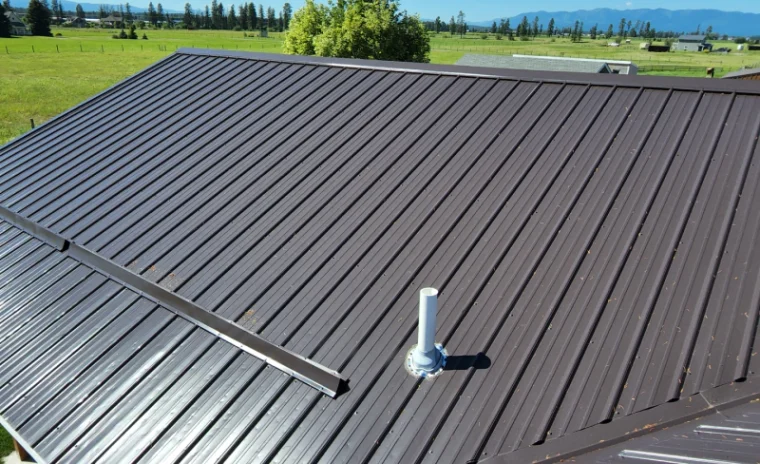
How to Install Metal Roofing
Step-by-Step Guide for Residential and Commercial Roofs
If you have ever wondered how to install metal roofing, you are not alone. Many Montana homeowners and business owners are choosing metal roofs for their strength, long life, and clean look. Whether for a home or a warehouse, understanding the metal roof installation process helps you make better decisions about materials, design, and maintenance.
In this detailed step-by-step metal roof installation guide, we explain how to prepare, measure, and install your roof safely and correctly. Whether you need residential metal roof installation or commercial metal roof installation, the right process ensures lasting protection and value.
1. Why Metal Roofing Is a Smart Choice
Metal roofing is one of the most reliable systems you can install in Montana’s tough climate. It handles snow, hail, and strong winds with ease and can last for decades.
Key benefits include:
- Long lifespan, often 30 to 50 years
- Strong resistance to fire and weather
- Energy savings through solar reflection
- Low maintenance and recyclable materials
- Available styles to match every property
At Brix Systems Roofing, we offer several metal styles through our Metal Roof Installers page. From standing seam to corrugated Core 10 panels, each system is designed to fit your needs and budget.
2. What You Need Before Starting
Before you learn how to install metal roofing, gather the right materials and tools. Preparation is key for safety and efficiency.
You will need:
- Quality metal panels
- Roof underlayment
- Fasteners, clips, and sealants
- Safety harness and gloves
- Measuring tools and cutting shears
For commercial buildings, insulation and coatings can improve performance. Learn about extending your system’s life with our Roof Coating Services.
3. Step 1: Preparing the Roof Deck
The first part of the metal roof installation process is proper preparation. Start by removing old shingles or materials, then inspect the decking for rot or damage. Repair weak spots, secure loose boards, and clean the surface.
Once the deck is sound:
- Install the underlayment evenly.
- Add a drip edge along the eaves and rakes.
- Double-check that the surface is smooth before laying panels.
A well-prepared base ensures your new roof will perform as intended.
4. Step 2: Measuring and Cutting Panels
Accurate measurement is vital in every residential metal roof installation and commercial metal roof installation. Measure the roof’s slope, width, and ridge height. Allow for overhangs and ridge caps before cutting.
Use clean, straight cuts with snips or shears. This ensures panels fit correctly and align neatly. In large commercial projects, even a small error can create future leak points, so precision matters.
5. Step 3: Installing the Panels
Now that preparation is complete, it is time to install the panels.
- Start at one corner and move upward toward the ridge.
- Overlap each panel as directed by the manufacturer.
- Fasten with the correct screws, keeping them snug but not too tight.
- Continue across the roof, keeping rows straight and consistent.
At Brix Systems Roofing, our certified installers follow strict standards for alignment and fastening. We use only high-quality materials that stand up to Montana’s demanding weather.
6. Step 4: Flashing and Trim Installation
Flashing keeps water out at chimneys, skylights, vents, and wall joints. Install it where two surfaces meet to create a watertight barrier. Trim pieces like ridge caps and drip edges finish the roof’s look while sealing exposed areas.
If your flashing or sealant ever fails, our Roof Repair Team can quickly fix leaks before they spread.
7. Step 5: Sealing and Fastening
After the panels and flashing are installed, seal all seams and fastener heads using a high-quality sealant. This step prevents leaks and keeps moisture out. Check every joint, ridge, and edge for tightness.
For older metal roofs, we often replace screws with larger fasteners to improve hold and extend lifespan. This small step greatly improves durability.
8. Step 6: Insulation and Ventilation
Proper insulation and ventilation are essential in any metal roof installation process. They prevent condensation, ice buildup, and heat loss.
- Use foam board insulation under panels to increase efficiency.
- Install ridge vents or roof vents for airflow.
- In commercial roofs, combine insulation with coatings for extra protection.
Our Roof Coating Services can boost performance and help you save on future energy costs.
9. Step 7: Final Inspection
The final step in any step-by-step metal roof installation is inspection. Carefully review every section:
- Make sure panels are tight and straight.
- Check sealant for gaps.
- Verify fasteners are secure.
- Clean debris and inspect flashing.
A clean, secure roof is ready to handle snow, rain, and wind for decades.
10. Mistakes to Avoid During Installation
Even small mistakes can lead to leaks or corrosion. Avoid these common issues:
- Over-tightening screws
- Failing to seal seams properly
- Ignoring ventilation needs
- Misaligned panels or flashing gaps
- Skipping insulation or underlayment
If these problems already exist, contact us for repair options. Our team can reinforce, reseal, or recoat your system to restore performance.
11. Residential vs. Commercial Metal Roof Installation
While the process is similar, each project has unique details.
| Residential Roofs | Commercial Roofs |
| Smaller, steep slopes | Larger, flatter areas |
| Focused on curb appeal and design | Focused on energy savings and durability |
| Uses standing seam or corrugated styles | Often R panel or TPO-over-metal systems |
| Installed with small crews | Requires more manpower and equipment |
We tailor each installation to your structure, whether a small cabin or a large warehouse. Every roof receives the same care and precision.
12. Caring for Your Metal Roof
Metal roofs are low-maintenance, but regular checks keep them in shape.
- Inspect once or twice a year for loose fasteners or worn sealant.
- Clean gutters and downspouts to prevent overflow.
- Remove debris and dirt buildup.
- Reapply coatings on aging surfaces when needed.
We also provide Gutter Services to keep your drainage system flowing perfectly with your roof.